After Foz do Iguaçu I took an overnight bus to the most keenly anticipated part of my solo trip - nearly two weeks straddling Rio and Sao Paulo with my good friend Giovanna, who I hadn't seen for three years since we met studying in Dortmund. She picked me up from the bus station and I spent most of the first day catching up with her and marvelling at the impressively expensive Sao Paolo prices and the even more impressive view from her 25th floor apartment over the giant Lego skyline of downtown Sao Paolo.
Those niceties out of the way, it was straight down to business with the two of us, Giovanna's boyfriend and her cousin the next day at 5am to the airport for our flight to actual Rio (pronounced hee-oh in Portuguese) de Janeiro! The landing into the city made us feel that we were arriving somewhere special, as we swooped down over favelas clinging onto improbably steep mountains and finally onto a dinky airstrip seemingly floating in the main shipping port of the city.
After checking into our apartment a couple of blocks back from Copacabana beach and tucking into some typical breakfast buttery baguette (better in Sao Paulo apparently), we headed to the beach. Once there, a delightful exchange where a street vendor (they are EVERYWHERE) threatened Giovanna that her pretty rich paulista face will lead to her getting robbed in Rio brought my attention to the rivalry between the two cities.
It's fair to say that paulistas (Sao Paulo residents) and cariocas (Rio residents) don't see eye to eye. Put simply, you have the two biggest cities in a rapidly growing and very competitive economy, and this competitiveness breeds contempt. Sao Paulo is jealous of Rio for its tourism, international reputation and stunning location, and Rio gets rubbed up the wrong way by Sao Paulo's wealth, culture and somewhat snobbish nature.
The negative comparisons continued as we strolled down the beach later in the twilight, the beachside floodlights on (a Brazilian invention - beaches are their parks after all) and went on as we made our way to a beachside kiosk for perfect caipirinhas and crab cakes. It was hard to shake the feeling that the paulistas almost wanted to be disappointed by Rio in order to head back home with their assumptions confirmed. I just sat watching the locals play futevôlei to an amazing standard and couldn't believe where I was.
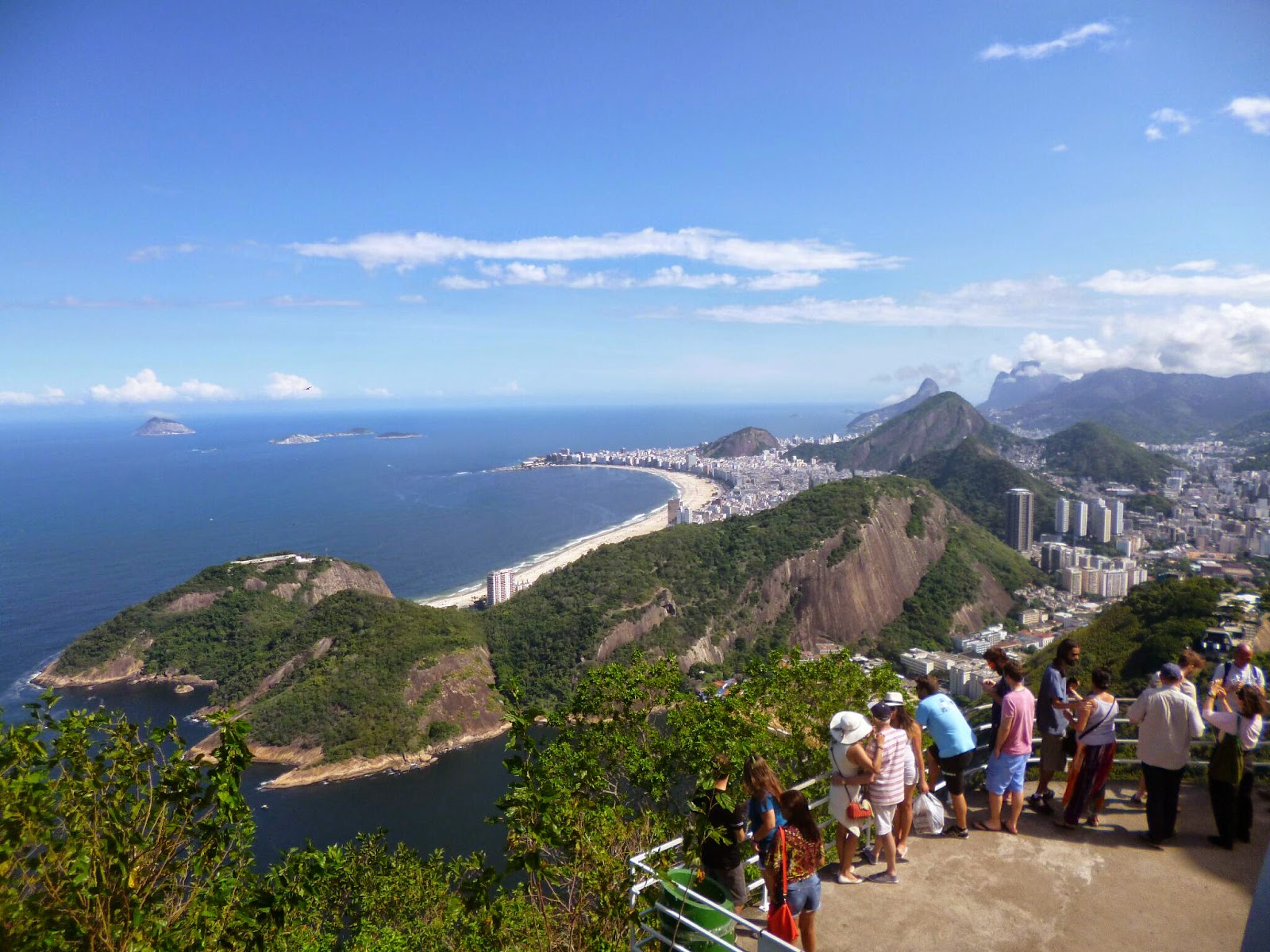
This is not to say that we didn't have a wicked time in Rio. Day two saw the sweeping and beautiful botanical garden, the legendary Ipanema beach and the luxury of the Rodrigo de Freitas lagoon just down from Christ the Redeemer. Day three took us up to the big man himself via a whistlestop tour of the inner city from the back seat of our guide's car, also taking in the carnival arena for a spot of dressing up. This tour was only confirmed due to a bit of threatening from Giovanna - apparently in Brazil sometimes it's the only way to get what you want.
Whilst I wouldn't have missed those incredible sights for the world, the true joy of Rio lies in strolling along the beach in your flip flops, getting slowly sozzled on caipirinhas, taking in the sunset over Ipanema beach with a huge green coconut in hand, and finally perusing the night markets before further caipirinhas on the beach or at a local bar. I'm happy to report that our final days mostly consisted of that - via the Selarón steps, constructed over 23 years out of tiles by a crazy Bolivian, and the towering sugar loaf mountain.
The only regret was that we were never able to 'dance to the magma' (as Giovanna's cousin put it) and really experience the legendary Rio party scene. The closest I came was singing Mardy Bum in my best Yorkshire accent at an indie karaoke night with my Irish friend from Bonito, and even a Saturday night in the legendary samba neighbourhood of Napa failed to hit the heights. According to my travel companions, Brazilians are more into a chilled out night out, and the reason the gringos rave about Rio nights is that people put on crazy parties for them in order to live up to the reputation.
The edgiest thing that happened to us was being followed on our way home by a big black guy. So you know, the thing to do in that situation is act normal and find the nearest security guard or pop into a café or shop until the guy is forced to walk past. Another reminder that the paulistas are just as much outsiders as I am in Rio.
Once back in Sao Paulo, I was excited to see what all the fuss was about through the eyes of our local guides. To be fair, we had a great time. What Sao Paulo lacks in terms of God-given beauty it sure makes up for in efficiency, quality of life and cool stuff to do.
My personal highlights were the huge mortadella sandwich and cod pastel in a restaurant on the balcony of the main food market, the glamorous Paulista Avenue with its avant garde art museum and city-smothering park over the road, cashew caipirinhas with sake, and the simply brilliant museums of football and of the Portuguese language (including an incredibly well-researched special exhibition on Germany). The museums deserve a special mention for bringing the tricky subjects of language and football to life - miss them at your peril.
Despite the metro being a bit disorganised and busy, the air of hustle and bustle and hectic nature of Sao Paulo was just what you'd expect from any decent sized south american city. That is just a cultural fact, and Sao Paulo is nothing out of the ordinary in that respect.
It's certainly not an excuse not to go. Even if you don't have friends who can invite you to their aunt's house for the delicious national cuisine feijoada (black bean stew with all parts of the pig) or a full-on Brazilian goodbye barbecue (best steak ever), it's still worth giving it a go. Go to Rio by all means, but at least pay Sao Paulo a little visit first, if not only to decide once and for all which is better.